Turbo whistling noise: when it is normal and when it is a problem
Every turbo makes some noise. Here is how to tell a healthy spool from a boost leak or failing bearings, and what to check before you replace anything.
Verma Turbo team,
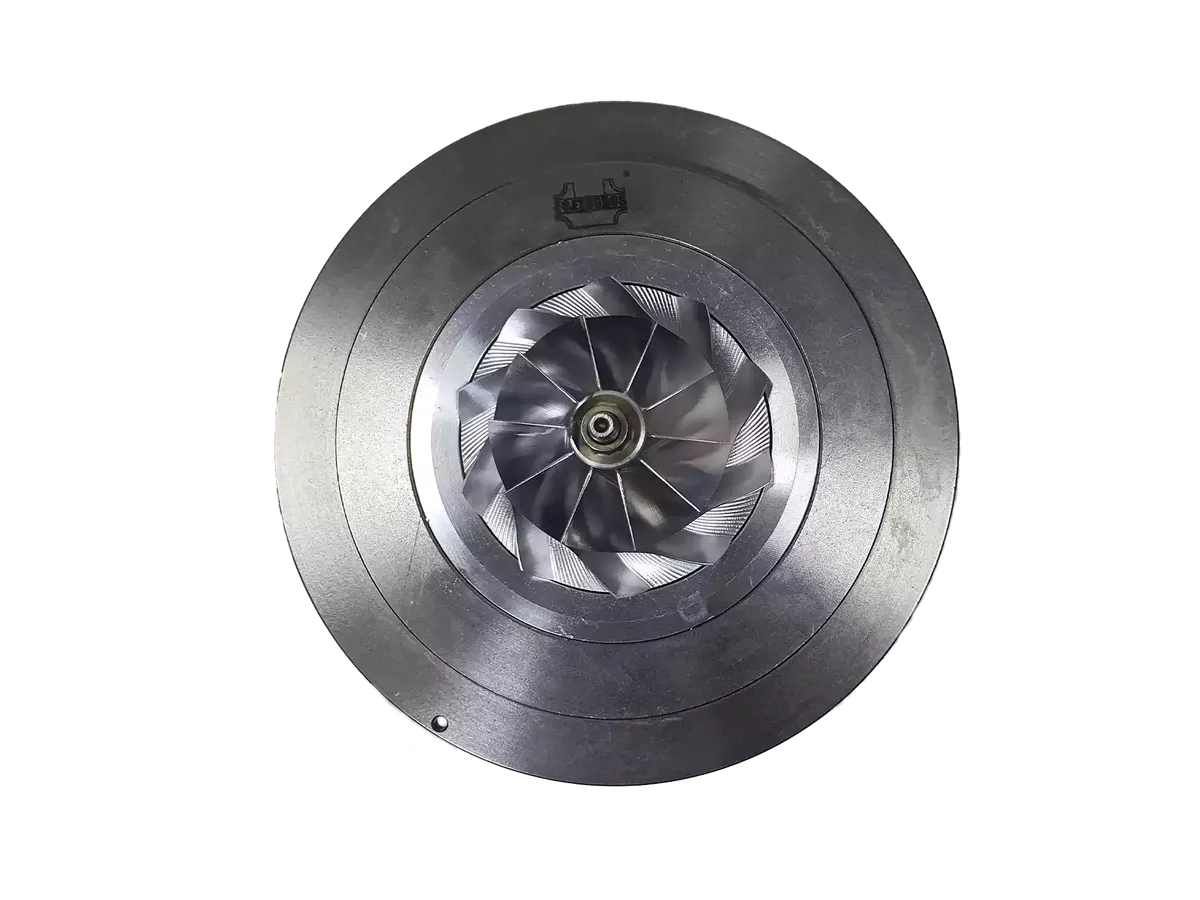
A turbocharger spins extremely fast, so a light whistle as boost builds is normal. What matters is whether the sound has changed: louder, harsher, or accompanied by smoke or lost power.
Normal: a soft whistle under acceleration
A gentle, rising whistle when you accelerate, which fades as you lift off, is the sound of the compressor doing its job. Many diesels, especially VGT engines, make it from new.
A loud whistle or hiss: usually a boost leak
A sharp hiss or whistle that is new is most often air escaping from a split hose, a loose clamp, or a cracked intercooler. You will often notice weaker pickup and sometimes black smoke too. This is a cheap fix, so check every joint between the turbo and the engine before blaming the turbo.
A siren, scream or grinding: check the bearings
A sound like a police siren, or a metallic grind, can mean worn bearings are letting the wheel brush against its housing. Stop driving hard. If the wheel breaks up, fragments can travel into the engine.
Quick checks you can ask your mechanic for
- Inspect all boost hoses and clamps for splits, oil and looseness
- Check the intercooler and its pipes for cracks
- Look for exhaust leaks at the manifold before the turbo
- Remove the intake pipe and check the compressor wheel for damage or rubbing
- Feel for shaft play: slight side-to-side movement is normal, wheel contact is not
If the turbo is the problem
Damaged blades or worn bearings mean a replacement. If the housings are sound, a turbo core (CHRA) can be cheaper than a complete unit. Our buying guide explains which to choose.