5 habits that kill turbochargers (and how to avoid them)
Most turbos do not wear out: they are killed by oil starvation, dirty oil, debris or heat. These five everyday habits cause most early failures.
Verma Turbo team,
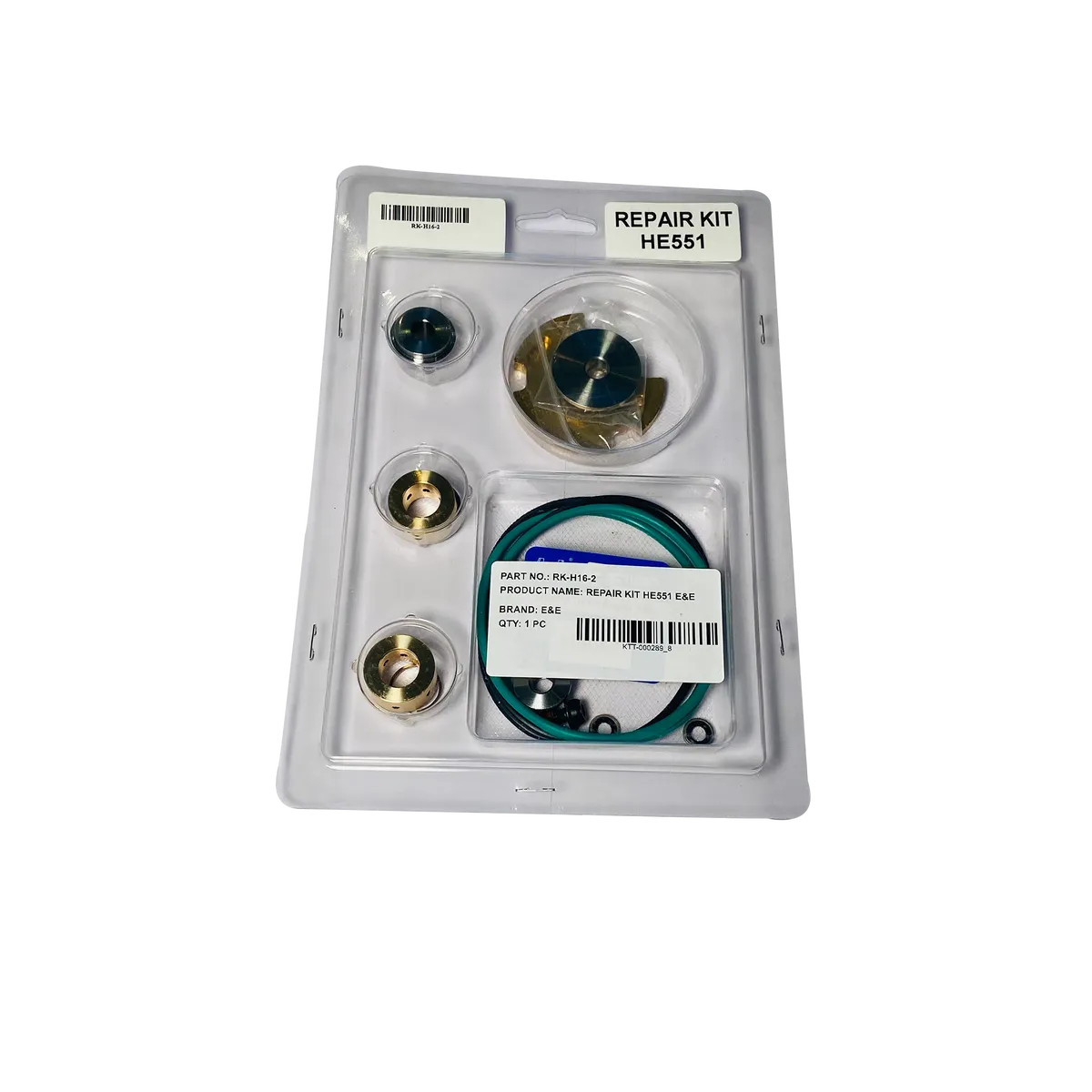
Turbo manufacturers report that genuine manufacturing defects cause only a tiny share of failures. The rest come down to how the engine is maintained and driven. Avoid these five habits and a turbo can last a very long time.
1. Stretching oil changes
The turbo shaft floats on a thin film of oil. Old, dirty oil scores the bearings and shaft, and broken-down oil turns to carbon inside the turbo. Change oil and filter on schedule, using the grade your vehicle maker specifies, and go shorter on dusty roads or heavy traffic.
2. Revving hard from a cold start
For the first few seconds after starting, oil has not reached the turbo yet. Drive gently for the first minute so oil pressure and temperature can build.
3. Switching off straight after hard driving
After a highway run or a climb, the turbo is extremely hot. Switch off immediately and the oil sitting in it bakes into carbon. A minute or two of idling lets it cool. In slow city traffic this is not needed.
4. Ignoring the air filter and loose clamps
Dust through a torn filter or a loose intake clamp sandblasts the compressor wheel and throws it out of balance. A blocked filter also creates suction that can pull oil past the seals.
5. Skipping steps when fitting a new turbo
A new turbo fitted with old oil, a carbon-filled feed pipe, reused gaskets or no priming can fail within hours. Hand your mechanic our installation checklist and keep the bill: it also matters for warranty.