BS6 diesel, DPF and your turbo: what Indian owners should know
BS6 diesels added particulate filters and EGR. Both affect turbo life. Here is how a blocked DPF damages a turbo, and the habits that prevent it.
Verma Turbo team,
Since the BS6 emission norms arrived in India, almost every diesel vehicle has a diesel particulate filter (DPF), and most use exhaust gas recirculation (EGR). They clean up the exhaust, but they also change the conditions your turbo works in.
How a blocked DPF hurts the turbo
The DPF traps soot and burns it off from time to time, a process called regeneration. If it clogs, exhaust pressure and temperature behind the turbo rise. That pushes hot gas past the turbine-side seal, cooks oil inside the turbo and can force oil out into the intake. Owners usually see blue smoke, an oily intercooler and falling power.
How EGR soot affects VGT turbos
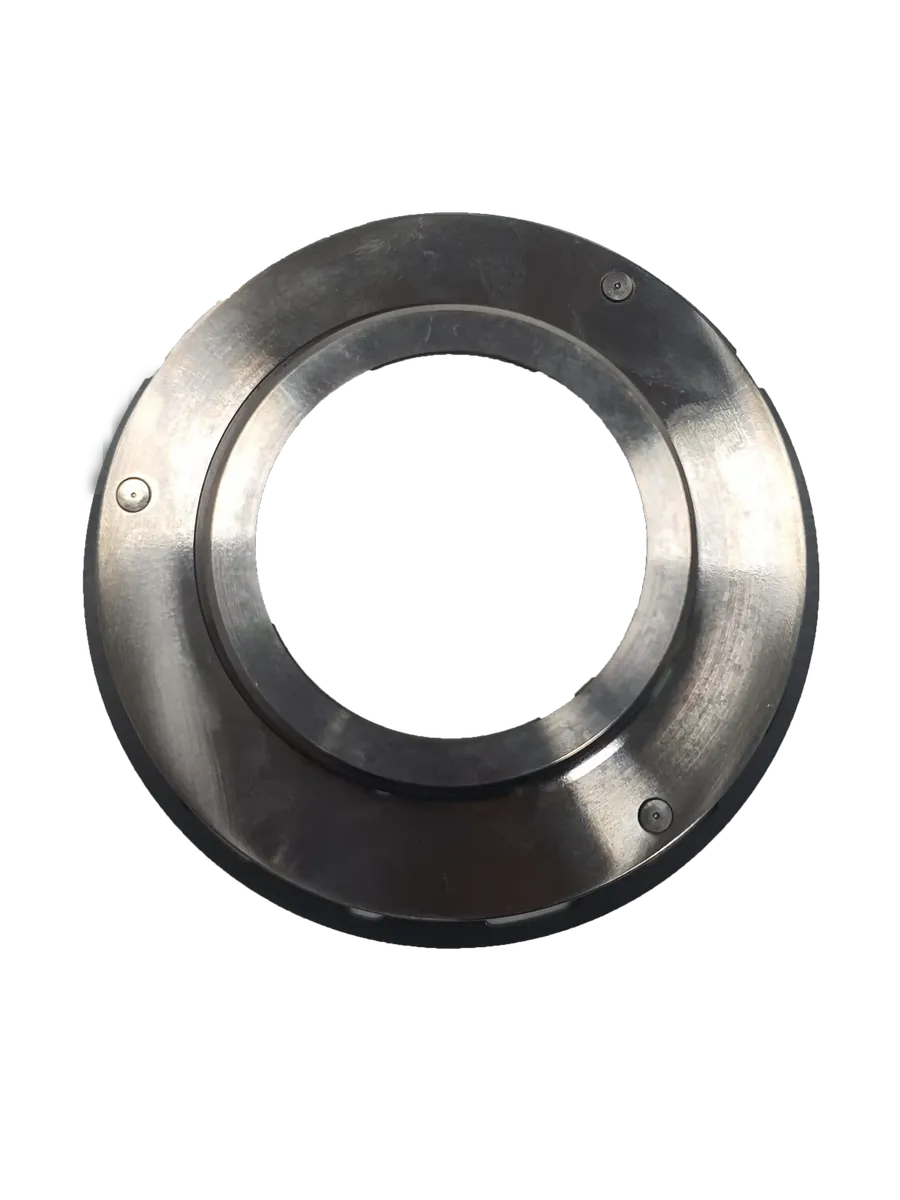
Soot from a faulty EGR system builds up on the variable vanes inside a VGT turbo. The vanes stick, boost goes wrong, and the engine drops into limp mode with over-boost or under-boost codes. Sometimes cleaning or replacing the nozzle ring or actuator fixes it; sometimes the whole turbo needs replacing.
Habits that protect a BS6 turbo
- Give the vehicle a regular highway run so the DPF can regenerate. Constant short city trips are the main cause of clogging.
- Do not switch off while a DPF warning or regeneration is active.
- Use the low-SAPS engine oil your manufacturer specifies for BS6 engines, and change it on time.
- Fix injector, EGR or sensor faults promptly instead of driving around them.
- After a long climb or highway run, let the engine idle for a minute before switching off.
Replacing a turbo on a BS6 vehicle
Always deal with the DPF and EGR at the same time. A new turbo on top of a blocked DPF will fail the same way. Removing or deleting the DPF is illegal on road vehicles and will void warranties, so we do not recommend it.